
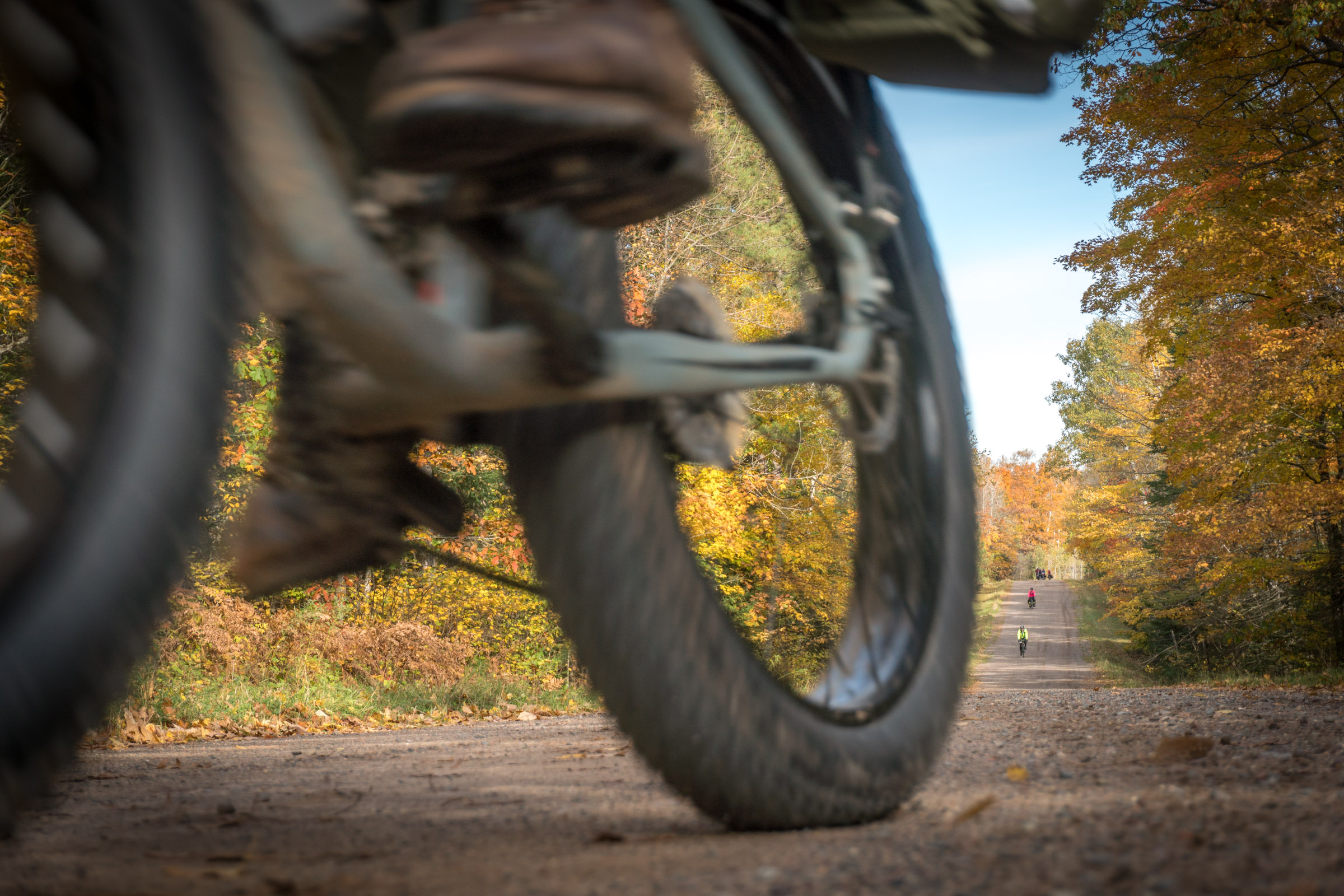
Back in 2016, I created the Tour de Chequamegon in order to plant the first pin flag in the Midwest on Bikepacking.com‘s worldwide map of bikepacking routes. I really liked the new bikepacking website, but was annoyed that at that time, there were no flags for routes in the Midwest. Since then, hundreds of people have ridden the OG route on every kind of bike.
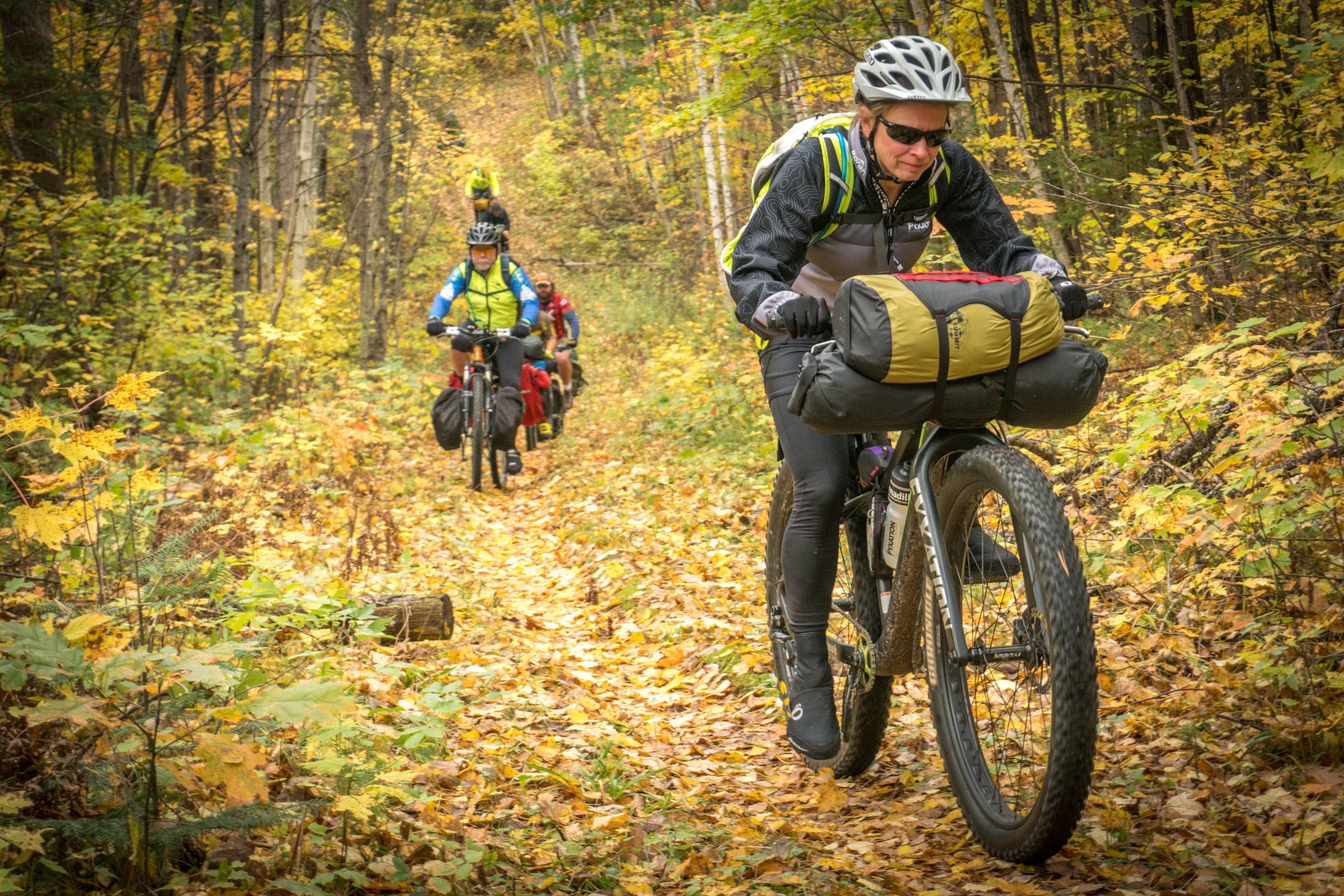
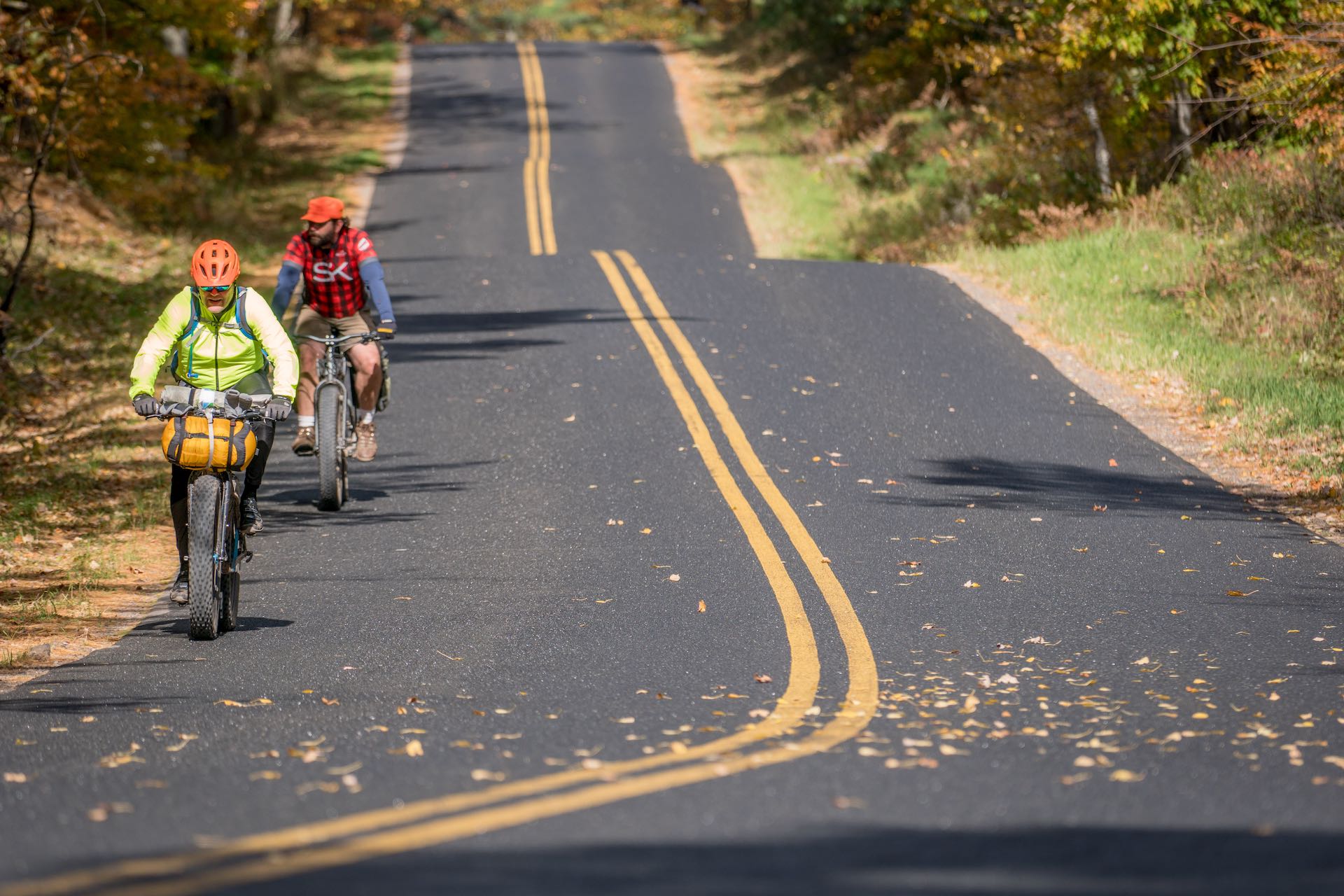
As the route creator (and still a TdC event sherpa), I am often asked, “What bike should I ride?” I typically advise that a gravel bike with 40-50 mm tires will be the fastest, a 29er mountain bike with suspension will be almost as fast and more comfortable, but a fat bike will be the most fun.
When you choose to throw your leg over a fat bike, a smile replaces your race face as speed takes a back seat. Fun is in the driver’s seat, traction is riding shotgun, and any worry about average speed, weight, aerodynamics, sand, rocks or roots get locked in the trunk.
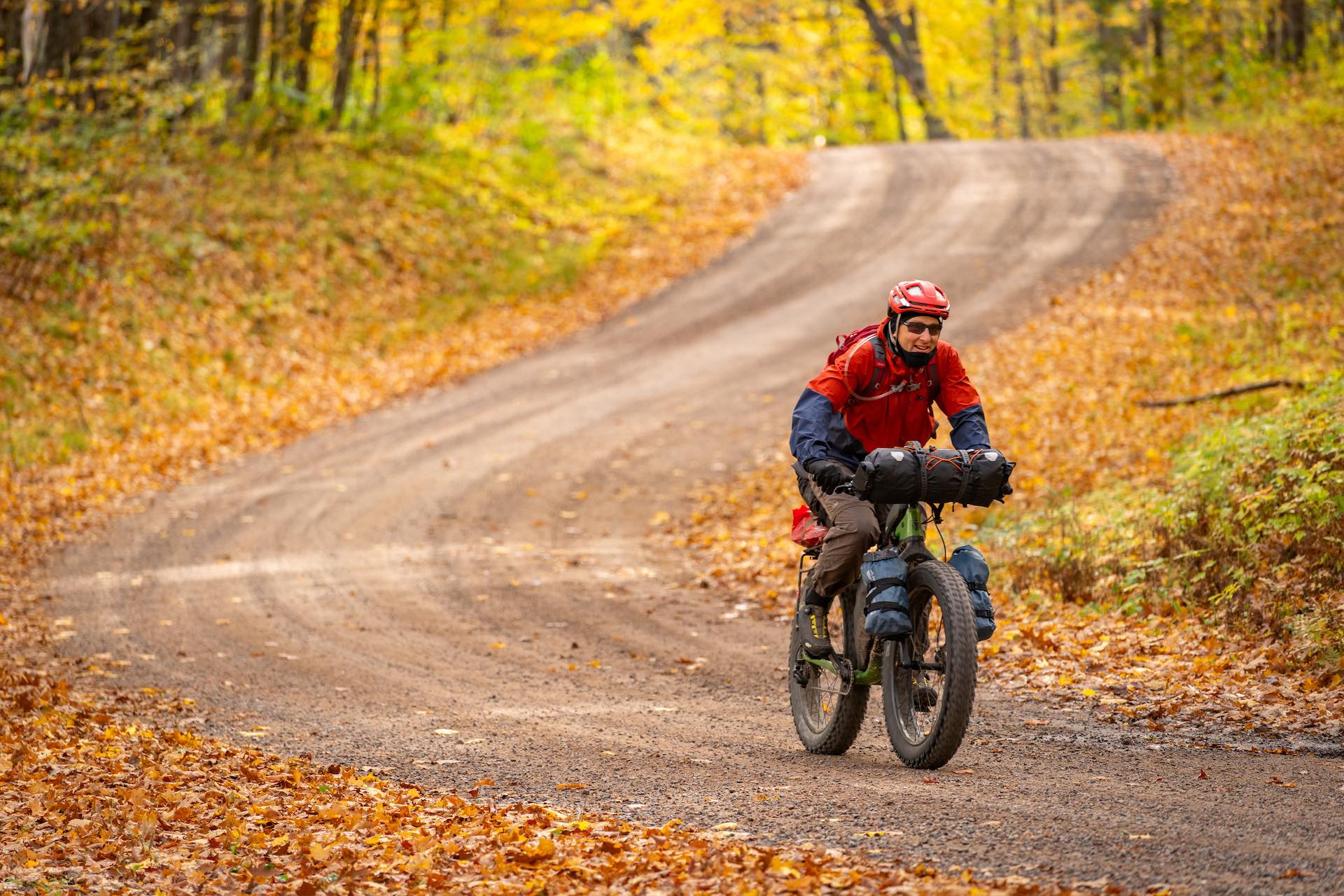
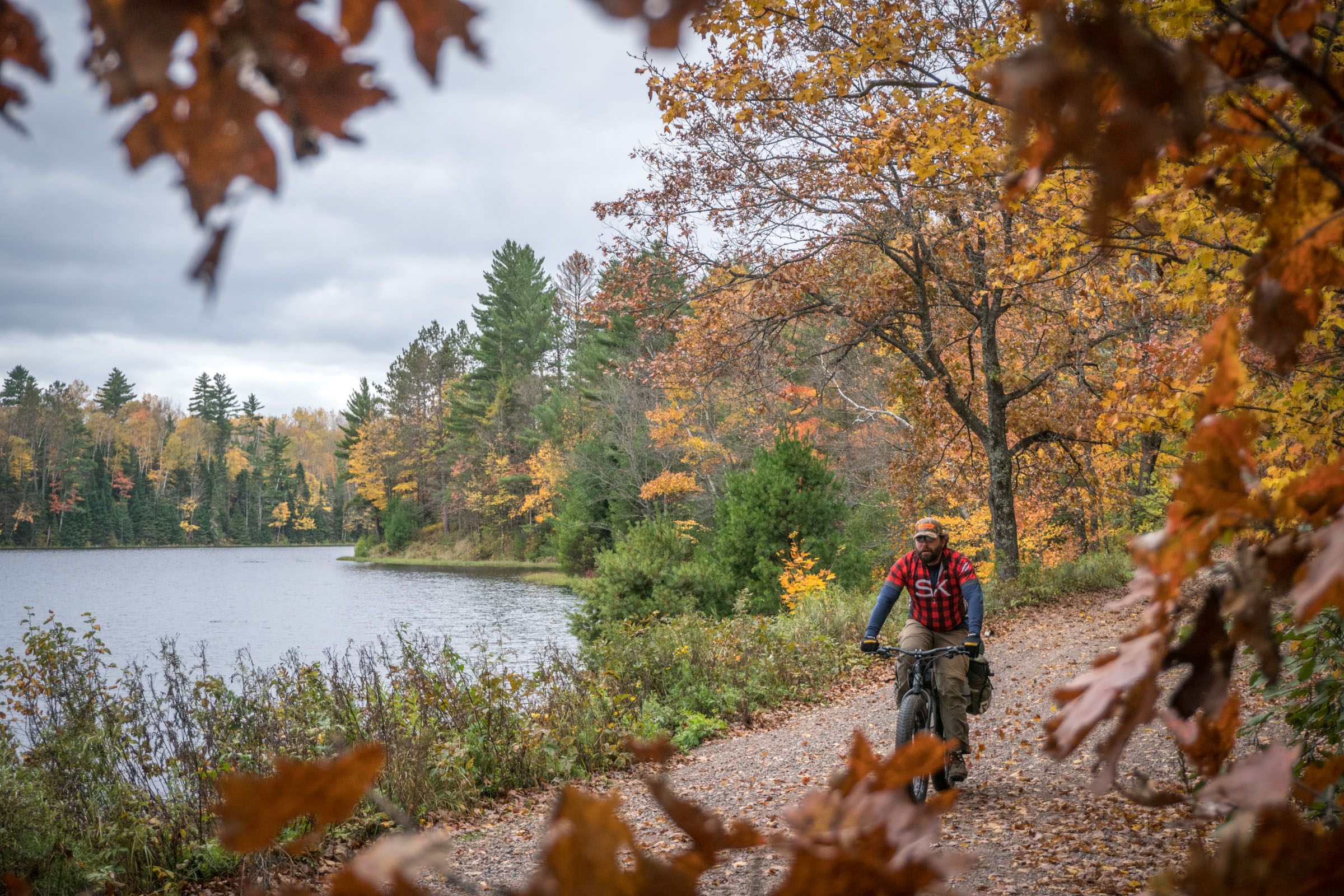
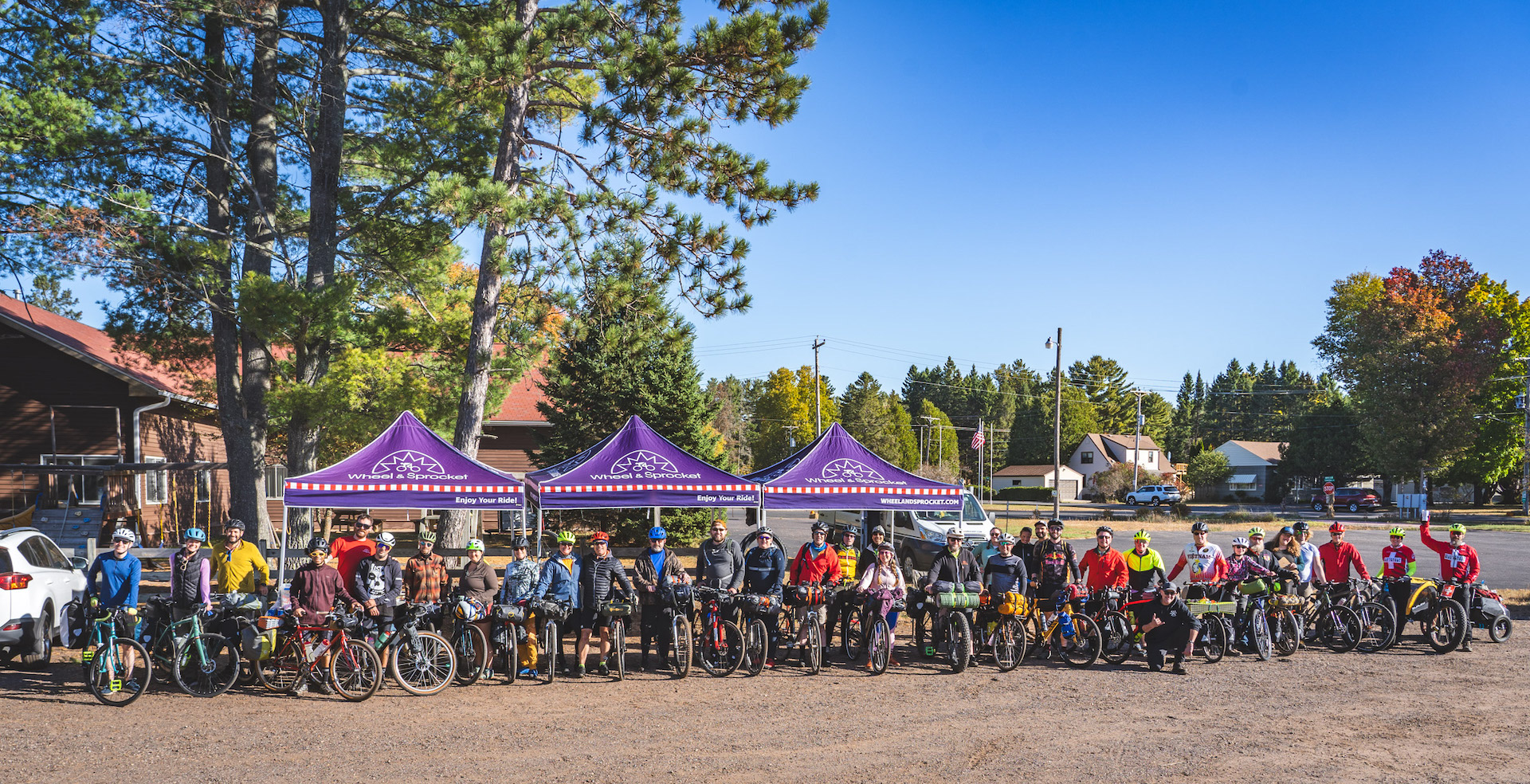
While most bring gravel or MTB bikes, every year since that first guided trip, a few people show up in Cable with fat bikes. And really, why not? Fat bikes are known to increase the grin factor of pretty much any ride. Since the Tour de Chequamegon is a bit of a glamping trip in which the crew from Wheel & Sprocket takes all the worry out of bikepacking, why not go fat?
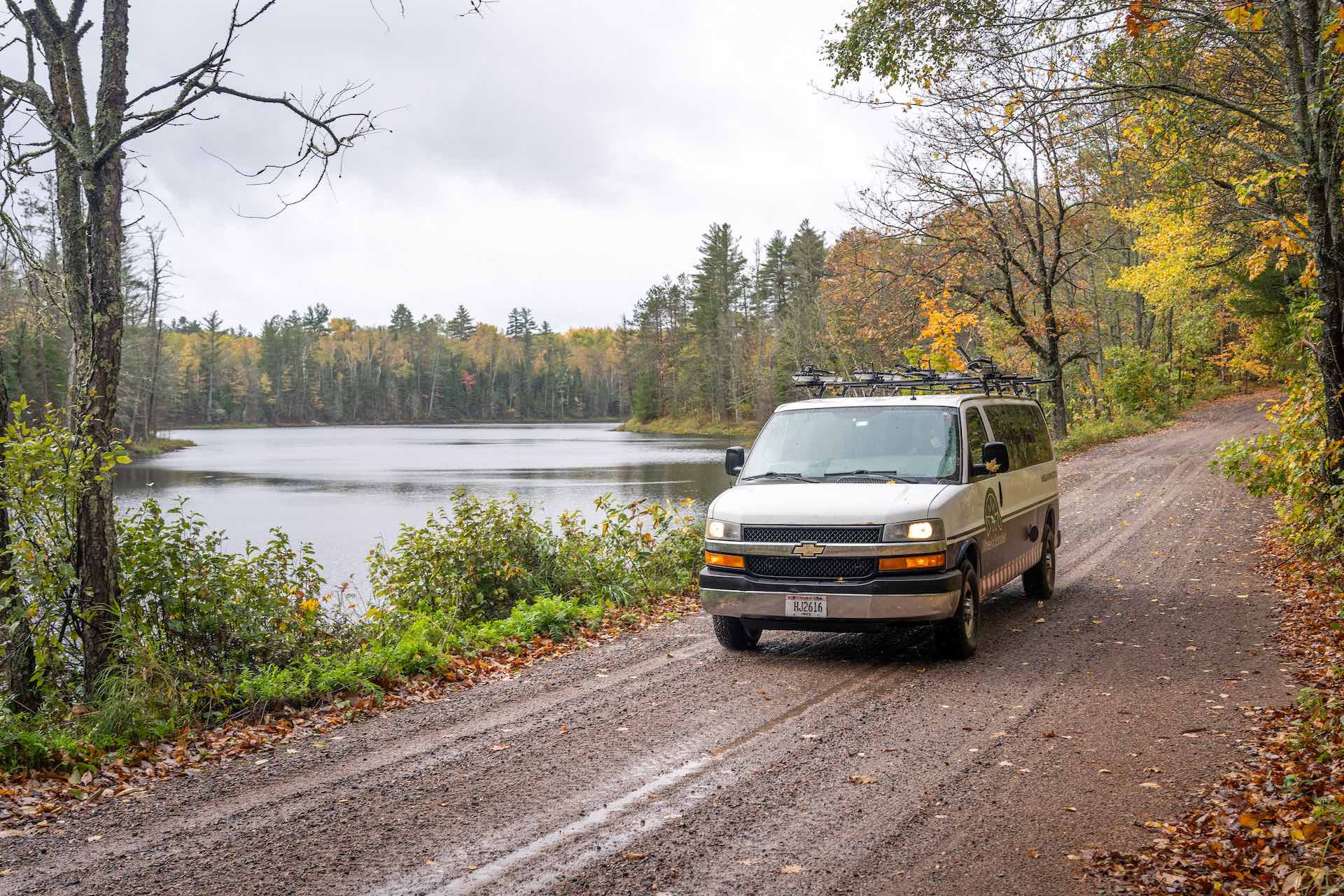
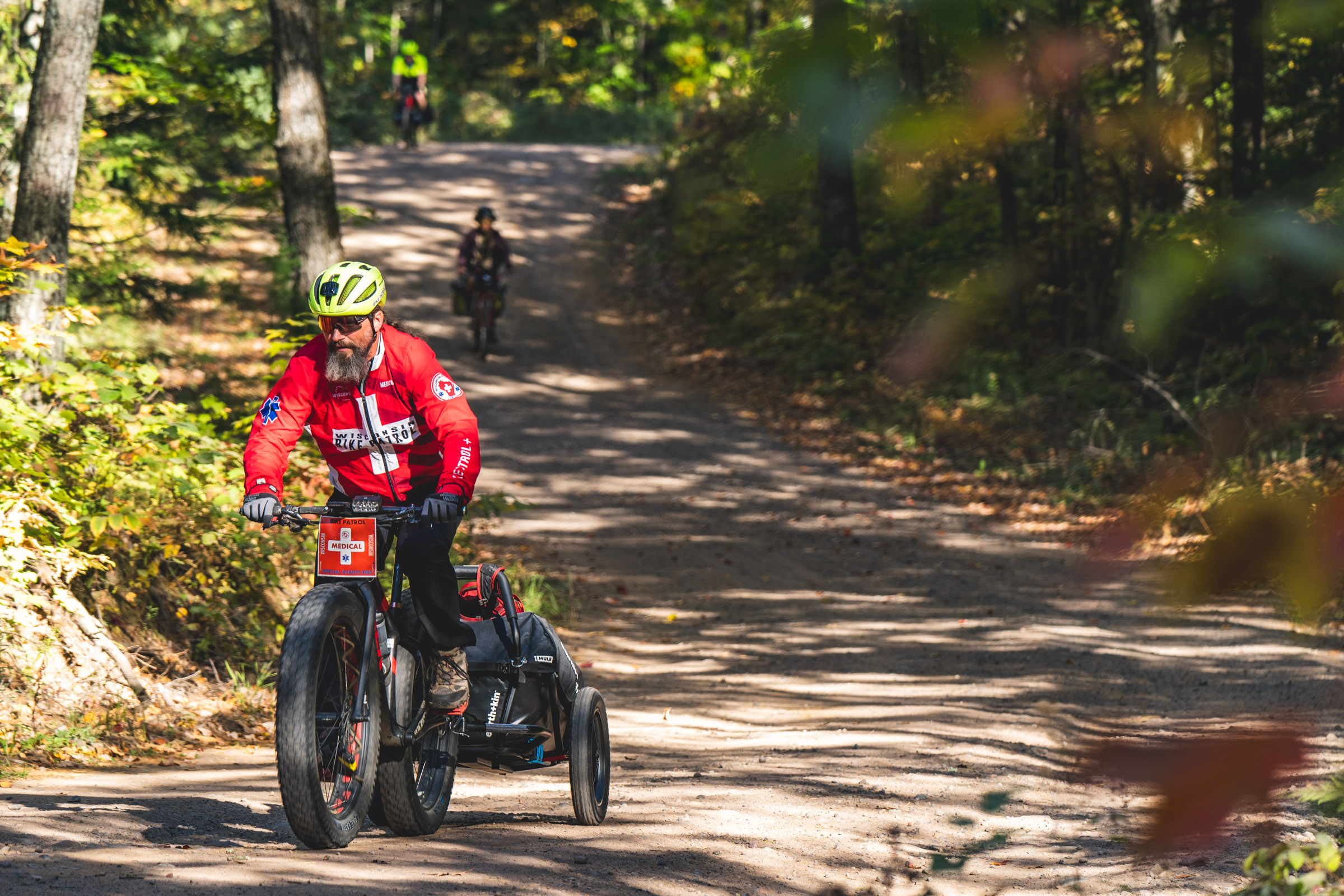
The ride organizers supply and prepare all the food on the Tour de Chequamegon, and experienced guides pedal along each day to keep you on route. If you should break down or crash, mechanics following in well-stocked sag vehicles are minutes away. And the skilled medics of the Wisconsin Bike Patrol are on board in case of injury.
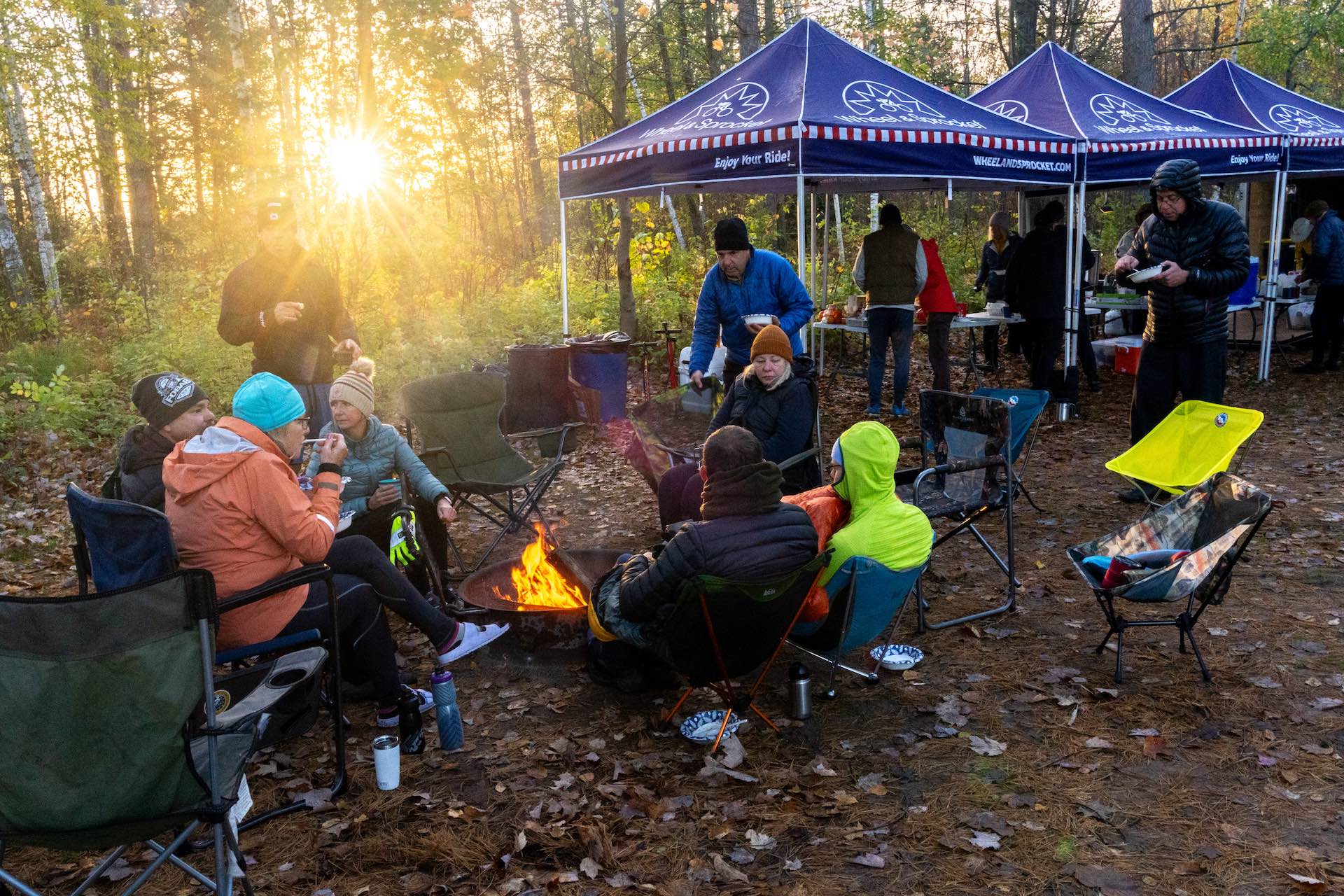
With relatively short 40-mile days in the saddle, the fat bike speed penalty is a non-issue. You will have more than enough time to get to camp since all you have to worry about when you get there is setting up your tent… unless you get frustrated trying to choose from so many tasty snacks and cold beverages waiting for you by the campfire.
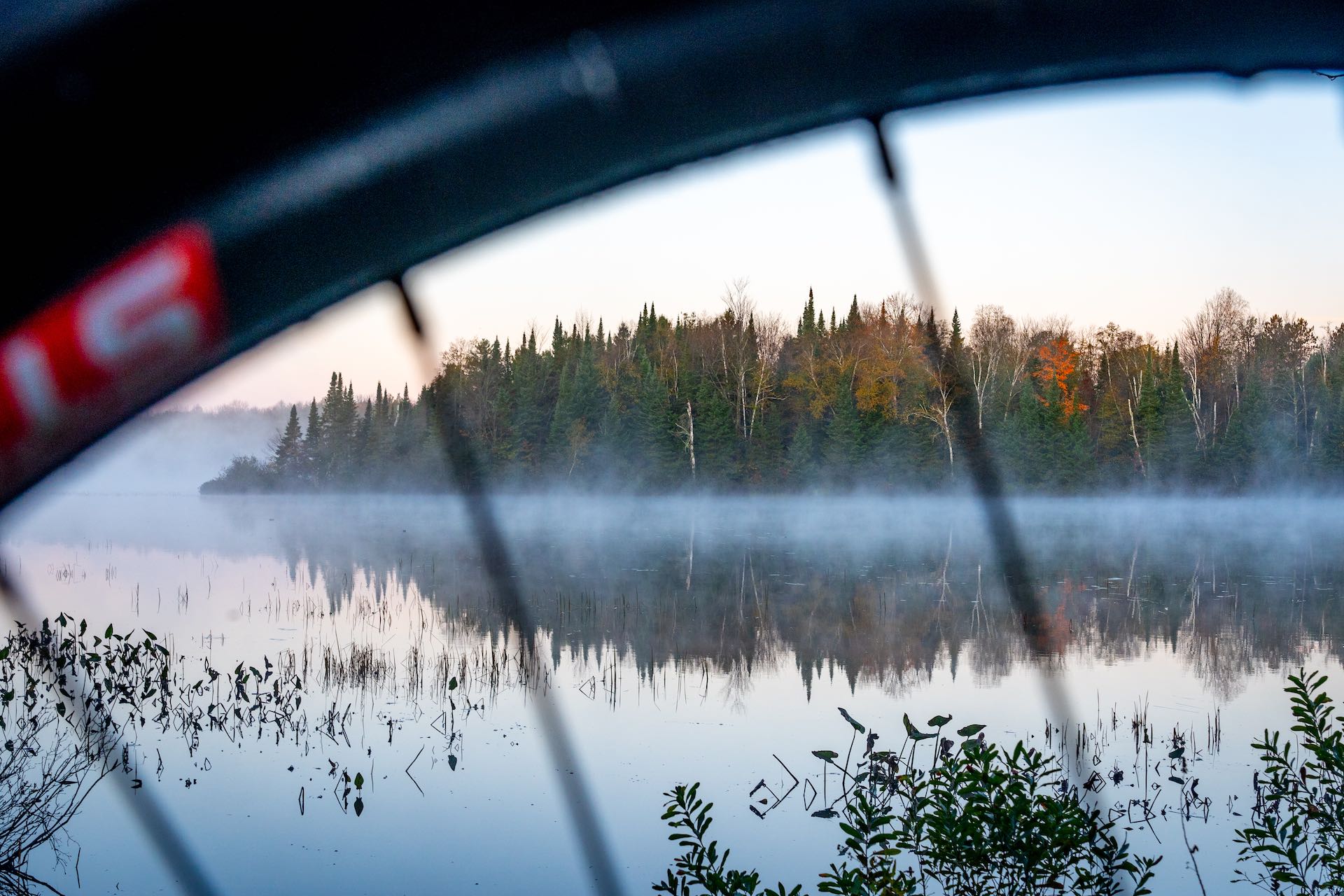
The route for the TdC was designed to give people a taste of all the Northwoods has to offer, from smooth, wide gravel to chunky two-track. The varied soil left behind by the glaciers includes silty sand that can settle at the bottom of the rolling hills. Since a fat bike can handle any terrain, you will roll through all the rough stuff with confidence.
Never fear, though, if you ride on the skinny end of the spectrum. I have seen the route completed on a vintage Miyata touring bike with 25mm tires, a hybrid tandem and a vintage single-speed mountain bike with 26” x 1.75” tires. Those folks proved you don’t need a special “adventure bike” to give bikepacking a go. If you have a bike you love riding, chances are you can make it work on the Tour de Chequamegon.
Maybe I am biased, but the fat bike riders always seem to have the fewest problems and be the life of the party at camp. So if you have the luxury of choosing, maybe think about rolling a fatty this year on the Tour de Chequamegon.
The 2025 Tour de Chequamegon will take place October 3rd-5th, in Cable, WI. Registration is now open at www.tourdechequamegon.com.
Be the first to comment